Understanding Mini Split Systems
As energy efficiency becomes a priority for homeowners, mini split systems are emerging as a popular choice for heating and cooling. These versatile systems provide customizable comfort without the need for extensive ductwork, making them ideal for homes of all sizes. When exploring options, mini split systems can offer a practical solution for maintaining an optimal indoor climate in diverse environments.
What is a Mini Split Air Conditioner?
A mini split air conditioner is a type of ductless HVAC system that consists of two main components: an outdoor compressor unit and one or more indoor air-handling units. Unlike traditional systems that rely on ductwork to circulate air, mini splits allow for direct distribution of heated or cooled air in specific areas of a home. This feature makes mini splits particularly advantageous for homeowners seeking efficient climate control in individual rooms or zones.
Key Components of Mini Split Systems
- Outdoor Unit: This unit houses the compressor and condenser, responsible for either heating or cooling the refrigerant that circulates through the system.
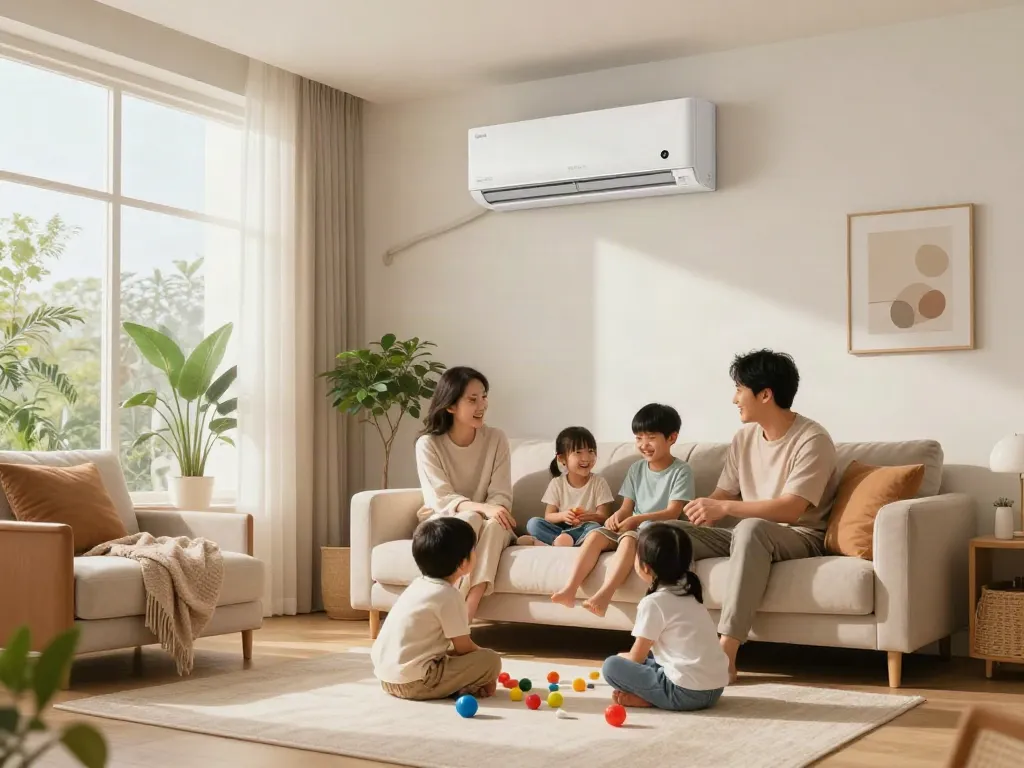
- Indoor Unit: The indoor unit, which can vary in design from wall-mounted to ceiling-mounted, blows conditioned air directly into the living space.
- Refrigerant Lines: Insulated tubing connects the indoor and outdoor units, providing a pathway for the refrigerant to transfer heat.
- Thermostat and Controls: Many mini split systems come with remote controls or smart technology integration, giving homeowners the ability to adjust settings conveniently.
Benefits of Ductless Mini Split Units
Mini split systems offer several significant benefits:
- Energy Efficiency: By allowing for zoned heating and cooling, mini splits can reduce energy consumption and lower utility bills.
- Flexible Installation: These systems can be installed in spaces where traditional HVAC systems cannot, making them ideal for retrofits or home additions.
- Reduced Noise Levels: Mini splits operate more quietly compared to central air conditioning systems, providing a comfortable indoor environment.
- Improved Air Quality: Ductless systems minimize the dust and allergens common in ducted systems, contributing to better air quality.
Choosing the Right Mini Split for Your Home
Selecting the appropriate mini split system involves understanding your space and needs. It's essential to consider several key factors before making a purchase.
Factors to Consider When Selecting a Mini Split
- Room Size: Calculate the BTU requirements based on the size of your room. Larger spaces need systems with higher BTU ratings to ensure efficient cooling or heating.
- Energy Efficiency Rating: Look for models with high SEER (Seasonal Energy Efficiency Ratio) ratings, which signify better energy efficiency.
- Number of Zones: Determine how many indoor units you’ll need based on the number of rooms you want to condition.
- Installation Options: Different models come with varied installation types, so consider what fits best in your space.
Common Mistakes in Mini Split Selection
When purchasing a mini split system, avoid these common pitfalls:
- Underestimating BTU Needs: Many homeowners fail to properly assess the BTU requirements for their spaces, leading to insufficient heating or cooling.
- Overlooking Efficiency Ratings: Neglecting the importance of energy efficiency can lead to excessive utility costs.
- Ignoring Maintenance Requirements: Some models may require more frequent upkeep; understanding maintenance needs upfront can save time and money later on.
Best Mini Split Models for Different Spaces
Several high-quality mini split models cater to various needs:
- Single-Zone Systems: Ideal for small rooms or studios, these systems are designed to efficiently cool or heat one area.
- Multi-Zone Systems: Excellent for larger homes, multi-zone systems allow for multiple indoor units connected to a single outdoor unit, accommodating diverse temperature preferences.
- High-Efficiency Models: Designed for energy-conscious homeowners, these models maximize efficiency without sacrificing performance.
Installation Best Practices for Mini Split Systems
Proper installation is crucial for the optimal performance of your mini split system. Whether you choose to install it yourself or hire a professional, understanding the process is essential.
DIY vs. Professional Installation: Pros and Cons
While DIY installation can save money, several factors should be considered:
- Pros of DIY: Cost savings, flexibility in installation timing, and the satisfaction of completing a project yourself.
- Cons of DIY: Risk of improper installation, potential for voiding warranties, and the need for specialized tools and knowledge.
- Pros of Professional Installation: Guaranteed expertise, adherence to local codes, and warranty protection for the installation.
- Cons of Professional Installation: Higher costs and scheduling limitations.
Step-by-Step Mini Split Installation Guide
Here's a brief overview of the installation process for a typical mini split system:
- Choose the Location: Select appropriate locations for both indoor and outdoor units, ensuring adequate access and airflow.
- Install the Mounting Bracket: Secure the indoor unit's mounting bracket to the wall, ensuring it is level.
- Connect Refrigerant Lines: Run the refrigerant lines and electrical wiring between the indoor and outdoor units through a drilled hole.
- Mount the Indoor Unit: Attach the indoor unit to the mounting bracket and secure it in place.
- Connect the Outdoor Unit: Place the outdoor unit on a stable surface and connect the refrigerant lines and electrical wiring.
- Test the System: Once everything is connected, perform a test run to check for leaks and ensure the system operates correctly.
Common Challenges During Installation and Solutions
Installing a mini split system can present unique challenges:
- Insufficient Space: Before installation, ensure that there is enough space around the outdoor unit for proper ventilation.
- Noise from the Outdoor Unit: To minimize noise disturbances, position the unit away from windows and use sound-dampening materials if necessary.
- Connecting Refrigerant Lines: Properly insulating refrigerant lines is crucial to prevent energy losses; ensure connections are secure and free of leaks.
Maintenance Tips for Optimal Mini Split Performance
Regular maintenance is key to prolonging the life of your mini split system and ensuring its efficiency.
Routine Maintenance Tasks for Mini Split Systems
- Clean or Replace Filters: Check filters monthly and clean or replace them as needed to maintain airflow and efficiency.
- Inspect Drain Lines: Ensure the condensate drain line is clear to prevent water buildup, which can lead to mold and system inefficiencies.
- Check Refrigerant Levels: Low refrigerant can hinder performance; have a technician assess levels annually.
How to Troubleshoot Common Mini Split Issues
Homeowners can often address basic issues:
- Unit Not Cooling or Heating: Check thermostat settings, ensure filters are clean, and inspect power supply.
- Noisy Operation: Noises could indicate loose components or debris in the unit; inspect thoroughly.
- Water Leaks: Water pooling around the indoor unit typically indicates a clogged drain line; clear obstructions to resolve this issue.
Professional Maintenance Services: When to Call
When in doubt, it’s wise to consult with a professional HVAC technician for:
- Comprehensive annual inspections
- Repairing refrigerant leaks
- Complex electrical issues
Future Trends in Mini Split Technology
The future of mini split systems looks bright with several advancements on the horizon:
Energy Efficiency Innovations for 2026
Expect to see even more efficient models as manufacturers integrate new technologies aimed at reducing energy consumption while improving performance. Innovations such as variable-speed compressors and advanced inverter technology will likely dominate the market.
Smart Technology Integration in Mini Splits
Smart home integration is becoming increasingly popular, allowing users to control their mini split systems remotely via smartphone apps. Features like programmable settings will enhance user experience and further optimize energy usage.
Market Predictions for Mini Split Demand
As awareness of energy efficiency continues to grow, the demand for mini split systems is projected to increase significantly. Homeowners are becoming more environmentally conscious, making the transition from traditional HVAC systems to more sustainable options.
What are the disadvantages of a mini split?
Despite their advantages, there are some potential drawbacks to consider when opting for a mini split system:
- Higher Initial Costs: Although they offer long-term savings, mini splits can have higher upfront costs compared to traditional systems.
- Installation Complexity: Depending on your setup, installation can be more complicated, often requiring professional assistance.
Are mini splits really worth it?
For many homeowners, the long-term energy savings, flexibility, and improved air quality provided by mini splits make them a worthwhile investment, particularly in areas with extreme weather conditions.
What does a mini split usually cost?
The pricing for mini split systems can vary widely based on brand, efficiency, and capacity. On average, homeowners can expect to pay between $2,000 to $5,000 for a complete system, including installation.
Do mini splits work in 100 degree weather?
Yes, mini split systems are designed to function efficiently in high temperatures, although their capacity may be challenged in extreme heat. Choosing a high-capacity model can ensure optimal performance even during heat waves.