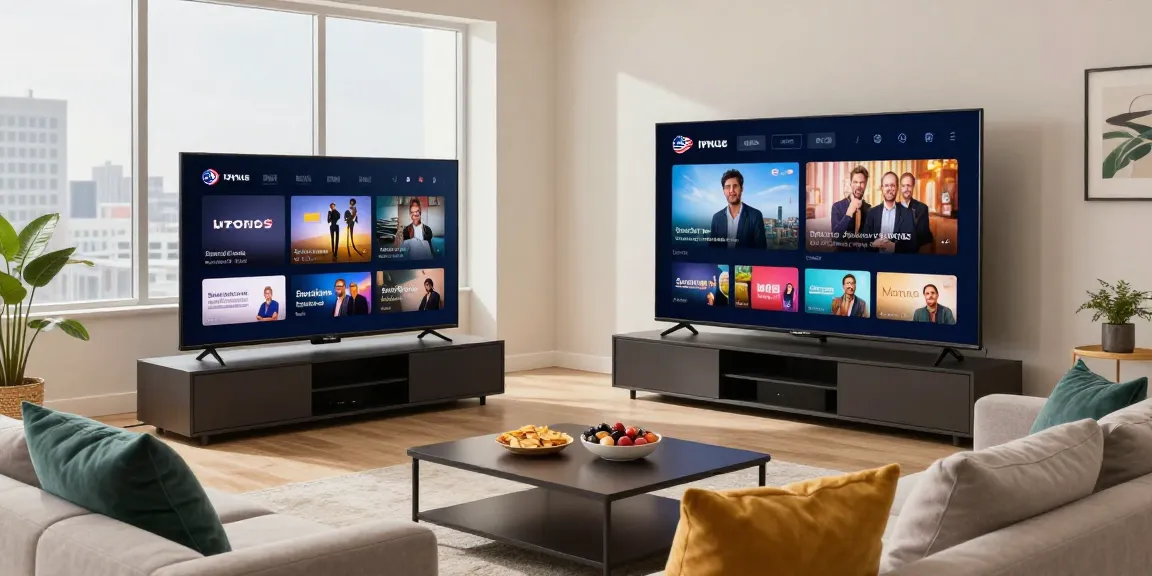
Understanding IPTV Services and Their Advantages
As the landscape of entertainment continues to evolve, traditional cable services are rapidly falling out of favor. With escalating prices and rigid contracts, many consumers are seeking alternatives that provide greater flexibility and value. This is where IPTV services come into play. IPTV, or Internet Protocol Television, delivers a wealth of content directly over the internet, revolutionizing the way we access and consume media. The year 2026 marks a significant turning point as IPTV stands out not just as a viable alternative to cable, but as the preferred choice for viewers looking for variety, affordability, and ease of use.
What is IPTV and How Does It Work?
IPTV is a system that enables the delivery of television content over the internet, rather than through traditional terrestrial, satellite, or cable formats. Unlike standard broadcasting, which relies on a wide array of physical infrastructure, IPTV sends streamable content using Internet Protocol. This means that instead of tuning into a specific channel, users can watch shows and movies through various devices that connect to the internet. IPTV providers typically offer a range of packages that include live TV, on-demand videos, and mobile compatibility.
Benefits of Switching from Cable to IPTV Services
- Cost Savings: Switching from cable to IPTV can result in significant savings. With plans starting as low as $5.83 per month, IPTV services like Livetvfortv are a fraction of the cost of traditional cable.
- Diverse Content: IPTV offers extensive channel lineups, including local networks and premium channels, often surpassing what traditional cable provides.
- No Contracts: Many IPTV services do not require long-term contracts, allowing users the freedom to cancel or adjust plans as needed.
- Multi-Device Compatibility: IPTV can be accessed on a variety of devices, including smart TVs, smartphones, tablets, and computers, providing a truly versatile viewing experience.
Comparing IPTV Services to Traditional Cable
In comparing IPTV to cable, the differences are striking. Cable often comes with hefty monthly bills, rigid contracts, and limited viewing flexibility. In contrast, IPTV provides users with the freedom to customize their television experience. For example, while cable might package channels in a way that forces viewers to pay for content they don't want, IPTV allows for a la carte selections and more accommodating payment structures.
Key Features of Leading IPTV Services
Channel Variety and On-Demand Content Availability
One of the most appealing aspects of IPTV services is their incredible channel variety. Services like Livetvfortv boast over 15,000 live channels, including major networks and niche offerings. In addition to live programming, IPTV services provide vast on-demand libraries filled with movies and series, ensuring users have access to a comprehensive entertainment experience tailored to their preferences.
Pricing Models and Plans in 2026
As more consumers turn to IPTV, the pricing models are becoming increasingly competitive. Basic plans for IPTV services generally range from $5.83 to $19.99 per month, offering unlimited channels and on-demand content. In contrast, traditional cable packages range from $120 to $180 per month, making IPTV an economically sensible choice.
User Experience: Interface and Accessibility
The user experience with IPTV services has significantly improved over the years. Modern IPTV applications boast intuitive interfaces that are easy to navigate, with personalized recommendations based on viewing habits. Accessibility features, such as voice control and closed captions, are also common, ensuring a wider audience can enjoy the content available.
Choosing the Right IPTV Service for Your Needs
Analyzing Your Viewing Habits
Before committing to an IPTV service, it’s essential to assess your viewing habits. Are you primarily interested in live sports, movies, or on-demand series? Understanding your preferences will help you select a plan that provides the right balance of live channels and on-demand content.
Essential Factors to Consider When Selecting IPTV Services
- Channel Lineup: Ensure the service offers all the channels you need, particularly if you watch specific sports or shows.
- Streaming Quality: Look for services that provide HD and 4K options for an optimal viewing experience.
- Device Compatibility: Check that the IPTV service is compatible with your existing devices, including smart TVs and mobile devices.
- Customer Support: Opt for providers with reliable customer service, as this can be crucial if you encounter technical issues.
Top IPTV Services Ranked for 2026
As the IPTV market expands, several services stand out for their exceptional offerings:
- Livetvfortv: Leading with 15,000+ channels and competitive pricing, Livetvfortv emerges as a top choice.
- YouTube TV: While costly, it offers a solid selection of channels and features.
- Sling TV: A popular option for flexible channel packages, although still higher than IPTV services.
- fuboTV: Known for its sports coverage, but at a premium price point.
Common Challenges and Solutions with IPTV Services
Addressing Internet Speed and Bandwidth Requirements
The performance of IPTV services is dependent on the speed and reliability of your internet connection. For HD streaming, a minimum of 25 Mbps is recommended, while 50 Mbps or more is ideal for 4K content. Users should evaluate their internet service plans to ensure sufficient bandwidth for uninterrupted viewing.
Overcoming Content Fragmentation Across Platforms
Content fragmentation can be a pain point for users who subscribe to multiple services. While IPTV generally consolidates channels into one service, some niche content may still be inaccessible. To address this, users can assess their viewing preferences and consider additional subscriptions only when necessary.
Technical Support and Service Reliability Issues
While most IPTV services are reliable, occasional outages can occur. It’s advisable to choose providers known for their uptime and strong customer support, ensuring swift resolutions to any problems that may arise.
The Future of IPTV Services: Trends and Predictions
Emerging Technologies Impacting IPTV in 2026
The future of IPTV is bright, with advancements in streaming technology paving the way for higher quality and enhanced features. Innovations such as artificial intelligence are impacting content recommendations, making it easier for users to discover new shows and channels suited to their tastes.
How Consumer Demands Are Shaping IPTV Services
As consumer preferences evolve, IPTV services will increasingly cater to personalized viewing experiences. This not only includes customizable channel packages but also features like social viewing and interactive content, reflecting a shift towards a more engaging entertainment landscape.
Preparing for Potential Changes in Streaming Legislation
As regulatory frameworks around streaming continue to develop, IPTV services may face challenges regarding content licensing and distribution. Consumers should stay informed about potential legislative changes that could affect their services, ensuring they are prepared for any necessary adjustments.
What are IPTV services?
IPTV services are platforms that deliver television content through the internet, allowing viewers to stream live TV and on-demand content without the need for traditional cable connections.
How much can I save by switching to IPTV?
By switching to IPTV, users can save a significant amount on monthly subscriptions. For instance, while the average cable bill hovers around $150/month, IPTV plans can start as low as $5.83/month, amounting to over $1,700 in potential annual savings.
Do IPTV services include live sports?
Yes, many IPTV services, particularly Livetvfortv, provide access to a wide array of live sports channels, covering major leagues and events without the need for expensive add-ons.
Is IPTV compatible with all devices?
IPTV services are generally designed to work on a variety of devices, including smart TVs, smartphones, tablets, and computers, ensuring users can access their favorite content across multiple platforms.
What internet speed do I need for IPTV?
For a smooth streaming experience, a minimum internet speed of 25 Mbps is recommended for HD content, with 50 Mbps or higher ideal for 4K streaming.