
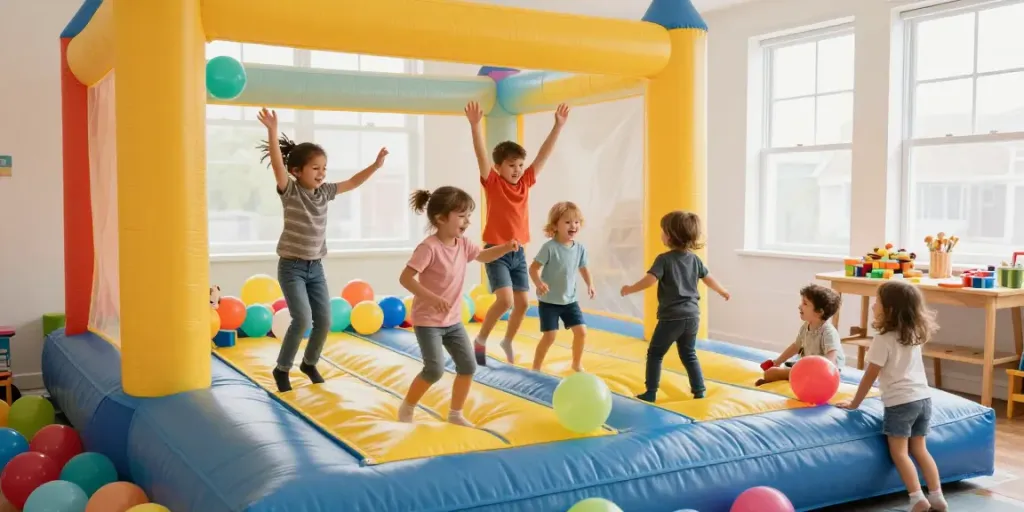
Understanding Indoor Bounce Houses: What You Need to Know
Indoor bounce houses have become a popular solution for parents looking to provide their children with a safe, entertaining, and physically engaging environment—especially during periods of inclement weather. These inflatable structures cater to kids of various ages and sizes, offering an alternative to outdoor play areas. When exploring options, an indoor bounce house provides comprehensive insights into the types, features, and benefits.
What is an Indoor Bounce House?
An indoor bounce house is a large inflatable structure designed for children to play, jump, and engage in physical activities safely indoors. Unlike traditional playgrounds, these bounce houses are often contained within a designated space, making them ideal for use in homes, community centers, and indoor recreational facilities. These play areas are typically inflatable and come in various shapes and sizes, ensuring they can accommodate different age groups and abilities.
Key Features of Quality Bounce Houses
When selecting an indoor bounce house, certain features can enhance the safety and enjoyment of the experience:
- Durable Materials: High-quality bounce houses are made from durable, puncture-resistant materials that can withstand the energetic play of children.
- Safety Nets: Many models include safety nets to prevent falls and injuries while jumping.
- Easy Setup and Takedown: A user-friendly design allows for quick inflation and deflation, making it convenient for parents.
- Weight and Size Capacities: Knowing the weight limits is essential for safety; most bounce houses specify maximum capacities to prevent overloading.
- Fun Accessories: Some bounce houses come equipped with slides, basketball hoops, and other interactive features to keep kids engaged.
Benefits of Indoor Bounce Play for Children
Investing in an indoor bounce house offers numerous benefits for children's growth and development:
- Physical Activity: Jumping and playing in a bounce house promotes cardiovascular health and helps combat childhood obesity.
- Social Skills: Bounce houses encourage social interaction, teamwork, and sharing among kids, fostering friendships.
- Coordination and Balance: The act of jumping and bouncing helps improve a child’s coordination and balance skills.
- Safe Environment: Indoor bounce houses provide a controlled play space where children can express their energy without the risks associated with outdoor play areas.
Common Mistakes When Choosing an Indoor Bounce House
Choosing the right indoor bounce house can be overwhelming, especially with so many options available. Here are common pitfalls to avoid:
Ignoring Size and Space Requirements
One of the most significant mistakes is failing to consider the available space for setting up a bounce house. Measure the dimensions of your intended area, including ceiling height, to ensure that the bounce house fits comfortably and safely.
Overlooking Safety Certifications
Another mistake is neglecting to check if the bounce house complies with safety standards. Look for products that have been certified by organizations like ASTM International and that have undergone rigorous testing for safety.
Choosing Low-Quality Materials and Construction
Opting for cheaper options can lead to compromised safety and durability. Invest in a bounce house made from high-quality, reinforced materials to ensure it lasts longer and withstands active play.
Best Practices for Setting Up Indoor Bounce Houses
To ensure a safe and enjoyable experience, follow these best practices when setting up an indoor bounce house:
Optimal Locations for Bounce House Installation
Select a flat, clean surface free from sharp objects. Avoid placing the bounce house near stairs or in areas with low ceilings where children might bump their heads while playing.
Ensuring Proper Supervision During Playtime
Always supervise children while they are using the bounce house. Assign a responsible adult to monitor play, ensuring that children follow safety guidelines and take turns properly.
Safe Play Guidelines for Children
Establish clear rules for bouncing, such as limiting the number of children allowed inside at one time, prohibiting flips or rough housing, and encouraging children to be mindful of one another while playing.
Maintenance Tips for Indoor Bounce Houses
Regular maintenance is essential for keeping your indoor bounce house in excellent condition. Here are a few tips:
Regular Cleaning Protocols
Clean the bounce house regularly to prevent dirt buildup and bacteria growth. Use a mild soap and water solution to wipe down the surfaces, and allow it to dry completely before deflating and storing it.
Inspections for Wear and Tear
Regularly inspect the bounce house for any signs of damage, including air leaks or frayed seams. Addressing issues quickly can extend the life of the bounce house and maintain safety standards.
Storage Best Practices for Longevity
Store the bounce house in a cool, dry place away from direct sunlight. Proper storage helps prevent material degradation and protects the bounce house from environmental factors.
The Future of Indoor Bounce Houses in 2026
As technology advances, the indoor bounce house industry is anticipated to evolve. Here’s what to expect in the near future:
Emerging Trends in Indoor Play Structures
We expect to see innovative designs that incorporate unique themes and interactive elements that integrate technology, such as augmented reality features to enhance children’s play experiences.
Innovative Safety Features to Watch For
Future bounce houses will likely come equipped with even more advanced safety features, including integrated safety alarms and better cushioning systems to minimize injury risks.
How to Stay Updated with Industry Standards
To ensure compliance with new safety regulations and guidelines, parents and facility operators should regularly check resources from reputable safety organizations and industry publications.
What age groups are best for indoor bounce houses?
Indoor bounce houses are primarily designed for children aged 2 to 12 years. However, certain models may cater to older kids with added features.
How can I ensure my indoor bounce house is safe?
Regular inspections, adhering to weight limits, and following manufacturer guidelines are crucial steps in maintaining a safe bounce house environment.
What are the best bounce house brands?
Brands like Little Tikes, Bounceland, and Intex are known for producing high-quality and safe indoor bounce houses.
Can indoor bounce houses be used outdoors?
While many indoor bounce houses can be used outdoors, it is essential to check the manufacturer's recommendations and ensure they are secured correctly.
How do I choose the right bounce house size?
Consider the age range and number of children that will use the bounce house when selecting a size. Most manufacturers provide guidelines on capacity and recommended age ranges.