Understanding Bed Bug Infestations
Bed bugs, often underestimated due to their small size, can wreak havoc in homes and businesses. These elusive pests are expert hitchhikers, capable of traveling unnoticed in luggage, clothing, and furniture. Understanding their behavior and biology is crucial for effective prevention and extermination strategies. If you suspect an infestation, it’s vital to act quickly and contact a qualified Bed bug exterminator to mitigate the issue before it escalates.
What Are Bed Bugs and How Do They Infest Homes?
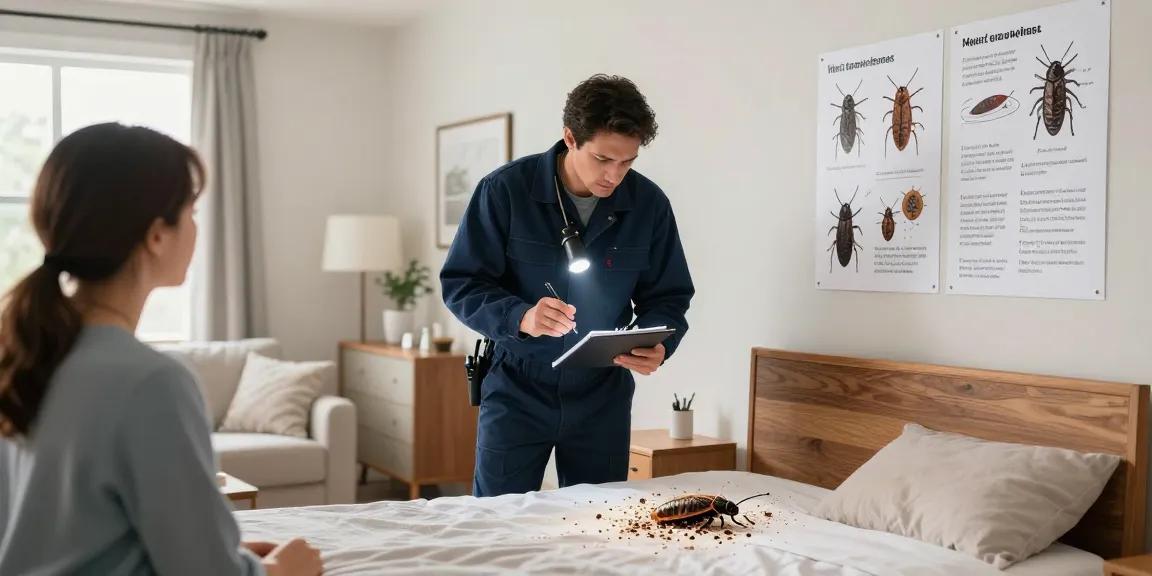
Bed bugs (Cimex lectularius) are small, parasitic insects that feed on human blood. Adult bed bugs are approximately 4-5 mm long, making them barely visible to the naked eye. They tend to hide in cracks and crevices close to where humans sleep, such as in mattresses, bed frames, and furniture. Infestations commonly begin when these pests hitch a ride into a home via infested luggage or second-hand items.
Understanding how bed bugs infest homes can provide insight into effective prevention and control measures. They reproduce quickly—females can lay 5-7 eggs per week—leading to rapid population growth if left untreated. An established infestation can make removal increasingly difficult, emphasizing the importance of early detection and intervention.
Signs of a Bed Bug Problem You Should Never Ignore
Recognizing the signs of bed bugs is crucial for early intervention. Look for:
- Itchy bite marks on your skin, often in a line or cluster.
- Small bloodstains on sheets and mattresses.
- Dark spots (excrement) on bed linens and furniture.
- Molt skins or empty egg casings.
- Foul odor from infested areas, likened to a musty scent.
If you notice any of these signs, it is essential to take action immediately to prevent further spread and establish a plan for effective treatment.
The Importance of Early Detection in Bed Bug Control
Acting swiftly upon noticing the signs of bed bugs is vital. Early detection not only facilitates easier elimination but also reduces the likelihood of a widespread infestation. Engaging a professional pest control service ensures that the treatment employed is both comprehensive and effective. A bed bug exterminator can assess the problem and develop a tailored strategy that minimizes disruption to your daily life.
Evaluating Exterminator Options
When faced with a bed bug infestation, choosing the right exterminator is key to effective treatment. Many companies offer various solutions, and understanding how to evaluate these options ensures you find the service that best meets your needs.
How to Assess a Bed Bug Exterminator’s Experience
Experience matters when it comes to pest control. Look for exterminators who specialize in bed bug removal and have a proven track record. Check for certifications, licenses, and reviews from previous clients. Reliable exterminators will be transparent about their methods and provide you with detailed information about their treatment processes and success rates.
Key Treatment Methods: Heat vs. Chemical Solutions
Exterminators typically use two primary methods to address bed bug infestations: heat treatment and chemical solutions. Heat treatment is an eco-friendly approach that raises the temperature in a targeted area to levels lethal to bed bugs and their eggs. This method is effective and can provide quick results.
Chemical treatments, on the other hand, involve applying insecticides that can create a residual barrier against future infestations. Understanding the pros and cons of each method will help you choose the best option suited for your situation. Often, a combination of both methods provides the most effective results.
Comparing Service Packages and Pricing Transparency
When evaluating exterminators, consider the service packages they offer. Affordable pricing and clear communication about what is included can greatly influence your decision. Reliable exterminators should provide a detailed breakdown of services offered, including inspection, treatment, and any follow-up visits.
It’s crucial to understand the costs involved in your treatment options. Ask about guarantees and warranties for the services provided, as reputable companies will stand behind their work and offer solutions for any recurring issues.
Preparing for Bed Bug Treatment
Preparation is essential for effective extermination. Following the recommendations of your bed bug exterminator can ensure the treatment process goes smoothly and achieves the desired results.
How to Prepare Your Home for Extermination
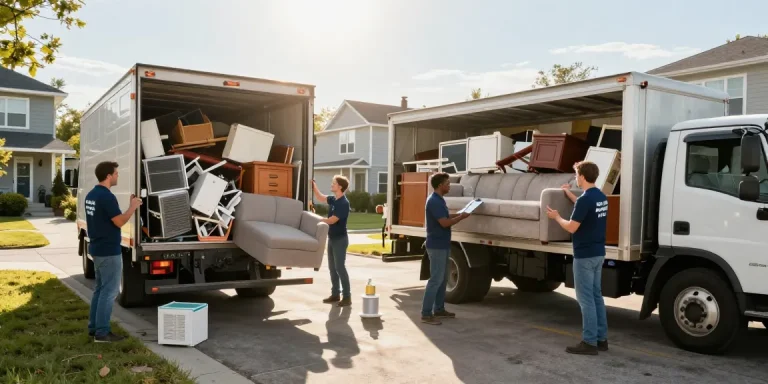
Before the exterminators arrive, you’ll need to prepare your home. Begin by decluttering the infested area to allow for easier access. Wash clothes, bed linens, and curtains in hot water, and dry them on high heat. Vacuum thoroughly to pick up any visible bed bugs and their eggs.
Keep in mind that some extermination methods may require you to leave the premises for a specific period, especially when heat treatments are involved. Be sure to discuss these details with your exterminator ahead of time to minimize disruptions.
Common Mistakes to Avoid Before Treatment Day
In the hustle of preparing for extermination, homeowners may inadvertently make mistakes that can compromise the effectiveness of the treatment. Avoid these common pitfalls:
- Neglecting to follow the exterminator’s preparation instructions.
- Using DIY pest control methods that may repel but not eliminate bed bugs.
- Failing to communicate any additional signs of bed bugs or infestation to your exterminator.
- Postponing the treatment, hoping the problem will resolve itself.
Understanding the Importance of Follow-Up Inspections
After initial treatment, follow-up inspections are critical to ensure that all bed bugs have been eradicated. Many exterminators provide follow-up services as part of their packages. Regular inspections can help catch new infestations before they become widespread, allowing for quick action and preventing recurrence.
Aftercare and Prevention Strategies
Once the bed bug extermination process is complete, maintaining a bed bug-free environment requires continued diligence and strategic prevention measures.
How to Maintain a Bed Bug-Free Home Post-Treatment
After treatment, ensure your home is a fortress against bed bugs by:
- Regularly inspecting sleeping areas and common hiding spots.
- Keeping belongings contained when traveling or bringing items into your home.
- Storing luggage in sealed plastic bags after returning from trips.
- Using encasements on mattresses and box springs to prevent bed bugs from hiding.
DIY Tips for Bed Bug Prevention and Monitoring
While professional extermination is key to eliminating bed bugs, homeowners can adopt certain DIY practices to monitor and prevent infestations. Consider placing bed bug traps around your home, especially near beds and personal belongings. Regularly vacuuming and cleaning can also help keep these pests at bay.
When to Call Back Your Bed Bug Exterminator
If you begin to notice signs of bed bugs reappearing after treatment, it is essential to contact your exterminator immediately. They can provide additional treatments or adjustments to your existing plan to tackle the resurgence effectively.
Frequently Asked Questions about Bed Bug Extermination
How effective are professional bed bug treatments?
Professional treatments are highly effective when performed correctly. Most exterminators guarantee their methods and will conduct follow-up inspections to ensure full eradication. The effectiveness largely depends on proper execution and thoroughness during the treatment.
What should I do if I still see bed bugs after treatment?
If bed bugs persist after initial treatment, contact your exterminator for a follow-up. An experienced professional can assess the situation and implement additional strategies to eliminate the remaining pests.
Are bed bug extermination chemicals safe for my family and pets?
Most pest control methods are designed with safety in mind, but it’s important to discuss any concerns with your exterminator. They can provide you with information on the products used and any necessary precautions to keep your family and pets safe during the treatment process.
How long does bed bug extermination take to show results?
Results can vary based on the treatment method and severity of the infestation. Generally, you may see immediate results after heat treatments, while chemical treatments may take a bit longer. Following the exterminator’s guidelines will help accelerate the process.
What are the costs associated with hiring a bed bug exterminator?
Cost varies based on factors such as the level of infestation, the size of the area being treated, and the methods used. It’s advisable to get quotes from multiple exterminators to compare services and find the best value.
About the Author