Understanding IPTV: What You Need to Know
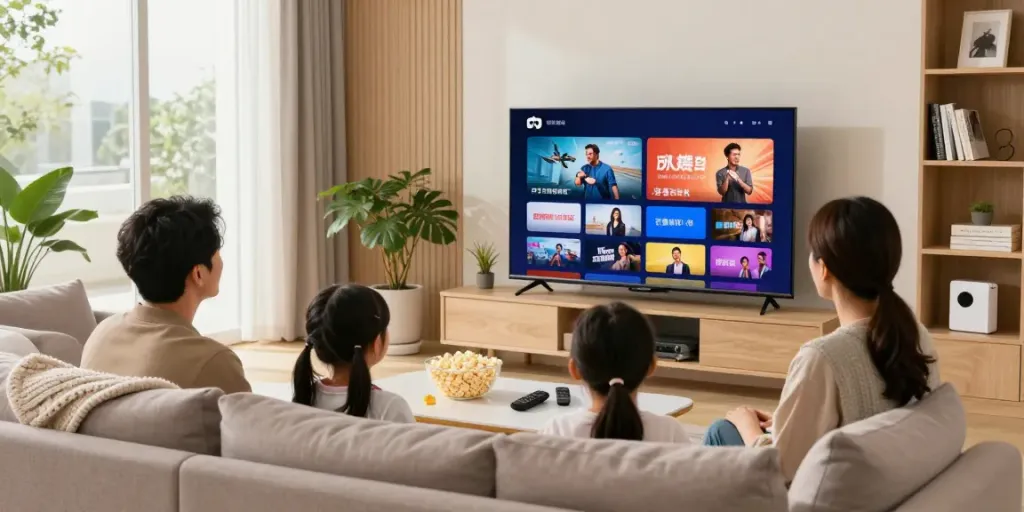
Internet Protocol Television (IPTV) has rapidly transformed the way we consume television content. Unlike traditional cable or satellite broadcasting, IPTV delivers television programming through broadband internet connections, offering viewers both live and on-demand shows. This shift to IPTV is indicative of broader trends in media consumption, where flexibility and personalized viewing experiences take center stage. When exploring options, IPTV services have become a popular choice for millions of users seeking alternatives to conventional television services.
What is IPTV and How Does It Work?
IPTV stands for Internet Protocol Television, a technology that allows television content to be delivered over the internet rather than through traditional terrestrial, satellite, or cable formats. IPTV works by converting television signals into data packets, which are then transmitted over high-speed internet connections to a viewer's device. This enables users to watch live broadcasts and access a library of on-demand content wherever they have an internet connection.
The components involved in this process include:
- Content Delivery Network (CDN): A network of servers that delivers video content to users efficiently.
- Middleware: Software that manages the interaction between the user and the IPTV service, enabling functionalities like channel surfing and video on demand.
- Set-Top Box: A device that decodes the IPTV signal and connects to the television for viewing.
Comparison of IPTV vs. Traditional Broadcasting
When comparing IPTV to traditional broadcasting methods, several key differences emerge. Traditional broadcasting relies on physical infrastructure such as cable lines and satellites, while IPTV utilizes internet connections, making it more adaptable and scalable. This technological evolution leads to several advantages:
- Greater Flexibility: IPTV allows viewers to watch content on various devices including smartphones, tablets, and smart TVs.
- On-Demand Content: Users can select specific programs and watch them at their convenience, rather than adhering to a fixed broadcast schedule.
- Enhanced Interactivity: IPTV services often provide features like pause, rewind, and interactive content options that traditional television cannot match.
Key Benefits of Using IPTV Services
IPTV offers numerous benefits that appeal to a wide range of viewers:
- Cost-Effectiveness: Many IPTV services are more affordable than traditional cable subscriptions, providing extensive channel lineups without high fees.
- Diverse Content Selection: Viewers can access a vast array of channels and programming, including niche genres that may not be offered through traditional TV.
- High-Quality Streaming: With the right internet connection, IPTV can deliver high-definition video with fewer interruptions than traditional services.
Choosing the Right IPTV Provider
Factors to Consider When Selecting a Provider
Selecting the right IPTV provider is crucial for ensuring a satisfying viewing experience. Here are some factors to think about:
- Channel Offerings: Ensure that the provider offers the channels you desire, including local networks, sports channels, and international programming.
- Pricing Structure: Look for transparent pricing without hidden fees, and consider whether the service offers a free trial.
- Device Compatibility: Verify that the IPTV service is compatible with the devices you plan to use, such as smart TVs, tablets, or streaming media players.
- Customer Support: Choose a provider that offers robust customer service options, including live chat or phone support.
Top IPTV Options Available in 2026
As of 2026, several IPTV providers have gained popularity due to their reliability and extensive content libraries:
- Hulu + Live TV: This service combines on-demand content with live TV channels, perfect for viewers seeking a comprehensive package.
- YouTube TV: Known for its user-friendly interface and extensive channel lineup, YouTube TV is a favorite among sports and news fans.
- fuboTV: With a focus on sports, fuboTV offers a rich selection of live channels for sports enthusiasts.
- Sling TV: A budget-friendly option, Sling TV provides a customizable channel lineup that allows users to tailor their experience.
Legal Considerations When Using IPTV
While IPTV services are becoming increasingly popular, it's important to understand the legal landscape surrounding them. Not all IPTV services are created equal, and some may offer channels illegally. To ensure compliance:
- Research the Provider: Verify that the IPTV service is licensed to distribute the channels it offers.
- Read Reviews: Look for testimonials from other users and check if there are any red flags regarding the service's legitimacy.
- Understand Your Rights: Familiarize yourself with local laws concerning online streaming and copyright regulations.
Setting Up Your IPTV Service
Required Equipment for Optimal Performance
To enjoy IPTV services, you will need the right equipment. The essential components include:
- High-Speed Internet Connection: A stable connection with a minimum speed of 10 Mbps is recommended for optimal streaming.
- Compatible Device: This could be a smart TV, streaming device (like Roku or Amazon Fire Stick), computer, or a dedicated IPTV set-top box.
- HDMI Cable: If using a set-top box or streaming device, ensure you have an HDMI cable to connect it to your TV.
Step-by-Step Installation Guide for IPTV
Setting up your IPTV service is typically straightforward. Here’s a step-by-step guide:
- Choose Your IPTV Provider: Select the provider that best meets your needs based on channels, pricing, and user feedback.
- Sign Up for a Subscription: Create an account and choose your subscription plan.
- Download/Install the App: If you're using a smart TV or streaming device, download the IPTV app from the device’s app store.
- Enter Your Credentials: Log in using your account information to access the content.
- Configure Settings: Adjust any necessary settings, such as video quality or parental controls.
- Start Watching: Enjoy your favorite shows and channels!
Troubleshooting Common IPTV Issues
Sometimes, you may encounter issues while using IPTV services. Common problems include:
- Buffering: If you experience buffering, ensure you have a strong internet connection and consider reducing the streaming quality.
- No Channels Available: Check your subscription status to ensure it's active, and restart your device to refresh the connection.
- App Crashes: If the app frequently crashes, try reinstalling it or checking for updates.
Content Options Available with IPTV
Live TV Vs. On-Demand Streaming Options
IPTV services typically offer both live television and on-demand streaming options:
- Live Television: Users can watch broadcasts in real-time, similar to traditional TV.
- On-Demand Content: Users can choose from a library of shows, movies, and series that can be watched at any time.
Specialized Content: Sports, Movies, and More
One of the major advantages of IPTV is its ability to cater to niche audiences:
- Sports Programming: Many providers specialize in sports content, offering live streaming of games across various leagues.
- Movie Libraries: Subscribers can gain access to a range of films, from classic titles to the latest blockbusters.
- International Channels: IPTV services often provide access to channels from around the world, catering to diverse viewing preferences.
International Channels and Diverse Programming
The globalization of media has led to a demand for international channels in various languages. IPTV services regularly include:
- Multi-Language Support: Offering channels in various languages to cater to different demographics.
- Cultural Programming: Access to content that reflects the culture and interests of different regions.
The Future of IPTV and Emerging Trends
Technological Advances Impacting IPTV in 2026
As technology progresses, so too does IPTV. Key trends that will shape its future include:
- 5G Technology: The rollout of 5G networks will drastically improve streaming speeds and reliability.
- AI and Personalization: IPTV services are increasingly using AI to analyze viewing habits and customize content recommendations.
- Enhanced User Interfaces: Future interfaces will likely become even more intuitive, facilitating easier navigation through complex libraries of content.
Consumer Preferences and Viewing Habits
Shifts in consumer behavior are influencing IPTV trends:
- Increased Demand for Flexibility: More viewers are looking for services that allow them to watch on their own terms without traditional time constraints.
- Social Viewing Experiences: Features that enable sharing and social interaction during live streaming are gaining popularity.
Predictions for IPTV Market Growth and Changes
Market projections indicate significant growth in the IPTV sector:
- Expanding Subscriber Base: As more consumers adopt streaming services, the number of IPTV subscribers is expected to increase substantially.
- Emerging Content Providers: New companies are entering the market, providing innovative options that challenge established players.
What are the advantages of IPTV?
IPTV has several key advantages over traditional television services:
- Lower Costs: Generally, IPTV services offer a cheaper alternative to cable subscriptions.
- Customized Viewing: Users can tailor their channel selections to suit their preferences.
- Access to Global Content: IPTV opens up a wealth of international programming, broadening viewers' options.
How does IPTV compare to cable TV?
The primary differences between IPTV and cable TV include:
- Delivery Method: IPTV utilizes internet connections, while cable relies on physical cables.
- Interactivity: IPTV allows for more interactive viewing experiences compared to traditional cable.
- Content Flexibility: IPTV often includes on-demand options, while cable may have limited flexibility.
Is IPTV legal to use?
IPTV is legal as long as users subscribe to legitimate services that have the rights to distribute the content they provide. It’s essential to verify the legality of the service to avoid potential legal issues.
What devices can I use for IPTV?
IPTV can be viewed on various devices, including:
- Smart TVs
- Streaming media players (e.g., Roku, Amazon Fire Stick)
- Computers and laptops
- Mobile devices (smartphones and tablets)
Are there free IPTV options available?
Yes, there are free IPTV options, but they may be limited in terms of content and quality. Users should exercise caution and ensure they’re using legal services to avoid copyright infringement.